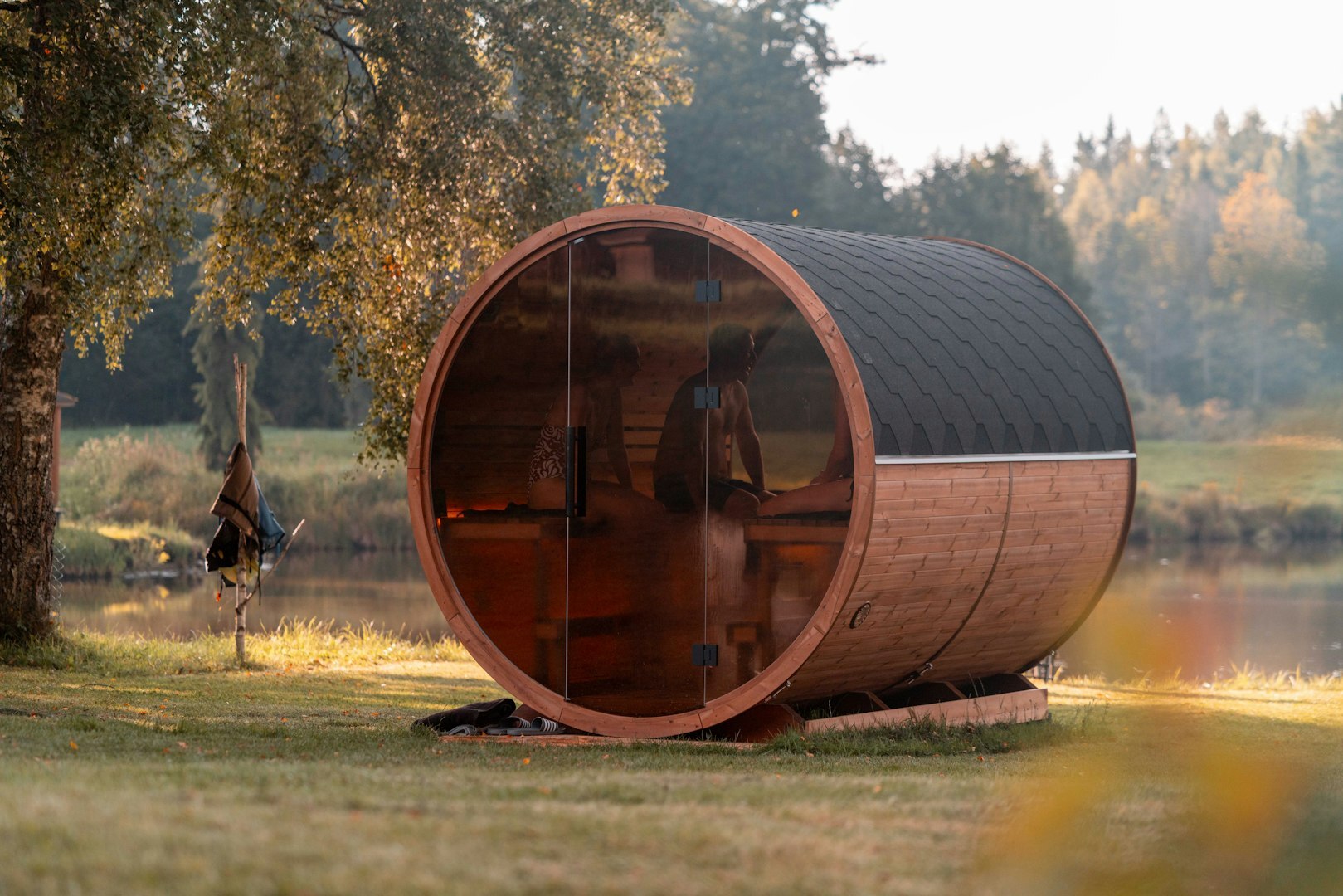
Why is a hotel sauna a worthwhile investment? Discover the benefits
As competition in hospitality grows, success depends on offering guests distinctive experiences. A wellness area with a sauna is a considered business investment as well as a luxury addition.
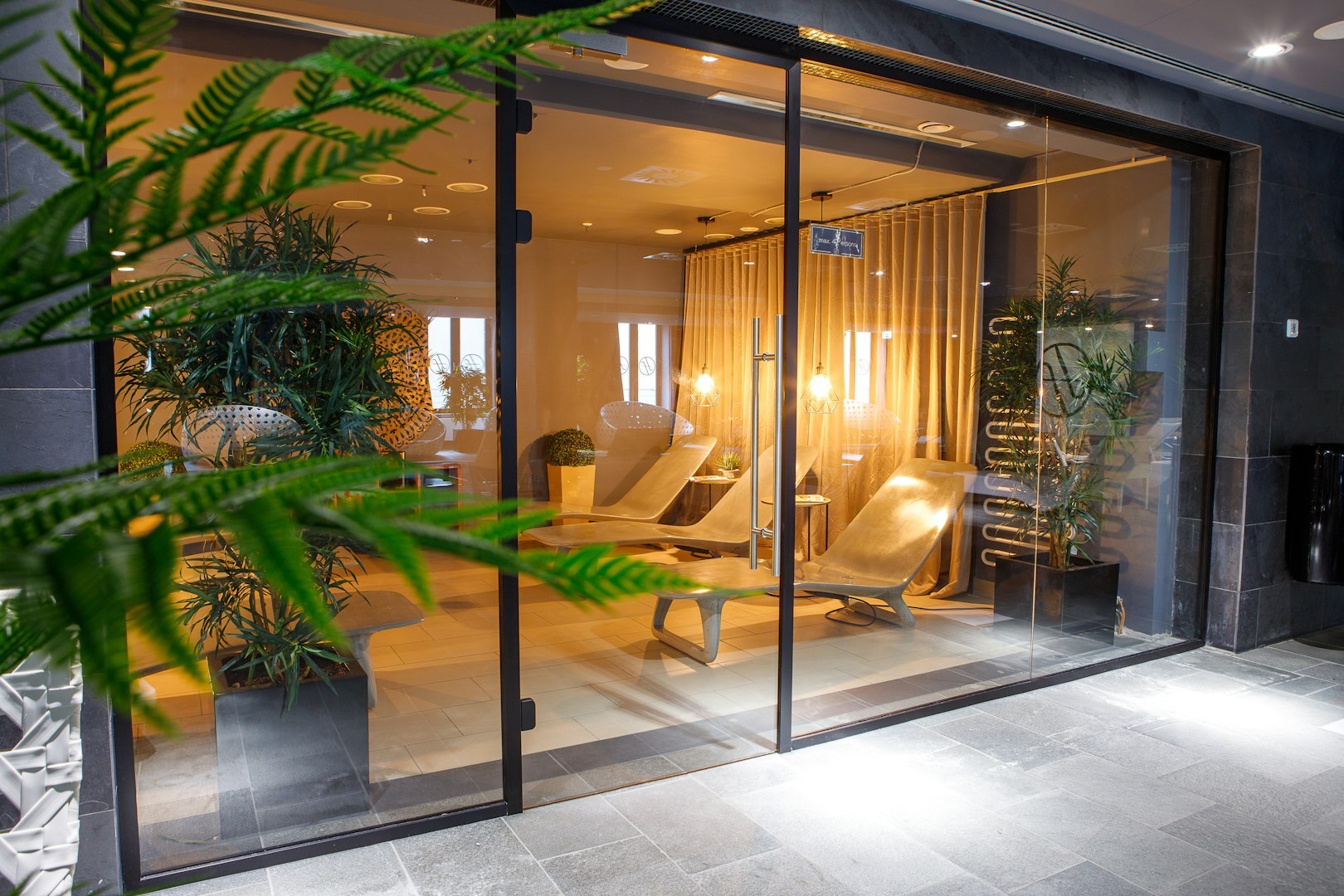
A wellness area becomes a reason to book.
We look at how building a sauna produces tangible benefits: a more attractive offer, a measurable return on investment and a stronger brand image.
Making your hotel more appealing: how does a sauna attract guests?
Today’s travellers, on business or holiday, look for more than a comfortable bed. The chance to relax and recover after a day of meetings or sightseeing has become an important factor in choosing where to stay. A hotel sauna meets this need directly and attracts different groups of guests. Business travellers can unwind, while holidaymakers enjoy an extra element of luxury.
A wellness area with a sauna raises the perceived standard and prestige of a property. The hotel becomes a destination in its own right, where guests can care for their health and wellbeing. Search engines and booking sites often offer filters for these facilities, increasing visibility. A sauna can therefore help a hotel reach new, often more affluent guests who expect wellness facilities and are willing to pay for them.
Increasing guest satisfaction and loyalty: the role of a wellness area
The guest experience is the sum of every interaction and impression during a stay. Access to a high-quality wellness area with a sauna can be one of the strongest sources of positive memories. It adds value, often exceeds expectations and makes the visit feel special. Relaxed, satisfied guests are more likely to leave a positive online review, directly affecting the hotel’s reputation and future bookings.
Guest loyalty is particularly valuable in hospitality. People who experience exceptional relaxation are more likely to return to somewhere they know. A sauna can build long-term relationships as well as provide an attraction during a single stay. Packages with unlimited wellness access or special sauna rituals can become a unique selling proposition (USP), strengthen the bond with the hotel brand and encourage repeat visits throughout the year.
Potential profit and return on investment: assessing sauna profitability
The decision to build a sauna needs a sound financial analysis. Although the initial cost may seem substantial, the return on investment (ROI) is often quicker than expected. Wellness facilities generate both direct and indirect income, and both contribute to the project’s overall profitability. A sauna is an asset that can actively earn revenue for the hotel.
When assessing the profitability of a hotel sauna, consider its relatively low operating costs alongside revenue. Modern technology helps manage energy consumption efficiently, and a well-designed, well-built sauna needs no complicated maintenance. The right pricing and marketing strategy can maximise profits and help recover the initial investment quickly.
Revenue streams generated by a sauna area
Direct income is the easiest benefit to measure. It can include admission fees for hotel guests if access is not included in the room rate, and, more significantly, for outside customers. A hotel wellness area can become popular with local residents. Indirect income is harder to calculate but often has a greater impact on the business overall. It includes higher room rates, increased occupancy, particularly outside peak season, and more sales of other services such as dining and spa treatments.
Different sauna types for hotels: choosing the best solution
Choosing the right sauna type is central to the investment’s success. The decision should reflect the character of the hotel, its target guests, available space and budget. Each type offers different experiences and health benefits, so a varied wellness area may be worth considering where space allows. The most popular options are a Finnish sauna, steam room and infrared sauna.
Technology and design should suit the hotel’s overall style. A luxury boutique property might choose a distinctive sauna with panoramic glazing, while a large conference hotel may need several cabins to accommodate more guests. Consult experts who can optimise the layout and select reliable equipment with low running costs.
- Finnish sauna (dry): High temperatures of 80–110 °C and low humidity. A classic choice for people who enjoy intense heat and traditional sauna bathing.
- Steam room (wet): Lower temperatures of 40–55 °C with very high humidity, up to 100%. It soothes the airways and offers gentler conditions for the body.
- Infrared sauna: Infrared emitters warm the body directly rather than heating the cabin air. It operates at lower temperatures of 40–60 °C, providing deep warming of the tissues.
A sauna as a marketing tool and part of your brand
Building the sauna is only half the work. To achieve the expected return, you need to communicate its benefits effectively. A wellness area helps position the hotel as somewhere that cares for guests’ wellbeing. Professional photographs, videos and descriptions of the sauna should feature prominently on the website, social media profiles and booking listings.
Effective promotion also includes dedicated packages and special offers. Packages such as a “Spa weekend”, “Romantic stay for two” or “Business and relaxation” appeal to particular groups and help increase sales when occupancy is lower. A well-planned investment in a hotel sauna, supported by thoughtful marketing, generates revenue and strengthens the brand over time, positioning it in the premium segment with a positive image focused on wellbeing.
Frequently asked questions
What is the estimated cost of building a hotel sauna?
The cost depends on size, sauna type (Finnish or infrared), materials and technology. A simple Finnish sauna for a few people is an investment of tens of thousands of Polish zlotys. A larger wellness area with several sauna types can cost hundreds of thousands of Polish zlotys.
Does a sauna require complicated operation and maintenance?
Modern saunas are largely automated. Daily operation mainly involves checking cleanliness and basic settings. Regular heater and ventilation maintenance is essential and is best entrusted to a specialist service company to ensure safety and a long equipment life.
Do hotel guests expect sauna access to be included in their stay?
In higher-standard hotels of four or five stars, access to basic wellness facilities is often included in the room rate. Three-star hotels may charge extra for the sauna. Another popular option is free access for guests who book upgraded rooms or special packages.
Which sauna type is most popular with hotel guests?
The classic Finnish dry sauna is the most widely expected and versatile option. Steam rooms are also increasingly popular because they offer a gentler form of relaxation. Providing both is an ideal way to cater for different preferences.
Planning a wellness area for your property?
We design and build saunas for hotels and guesthouses, from a single cabin to a complete wellness area. Quotes are free.